Book listening

Find Better Read Aloud Books Online

When a book is easier to hear than to scan, the hard part is often finding a usable source and turning it into a comfortable listening session. Read aloud books online can support study, accessibility, family reading, and multitasking without losing the structure of the original text.

Review source rights first
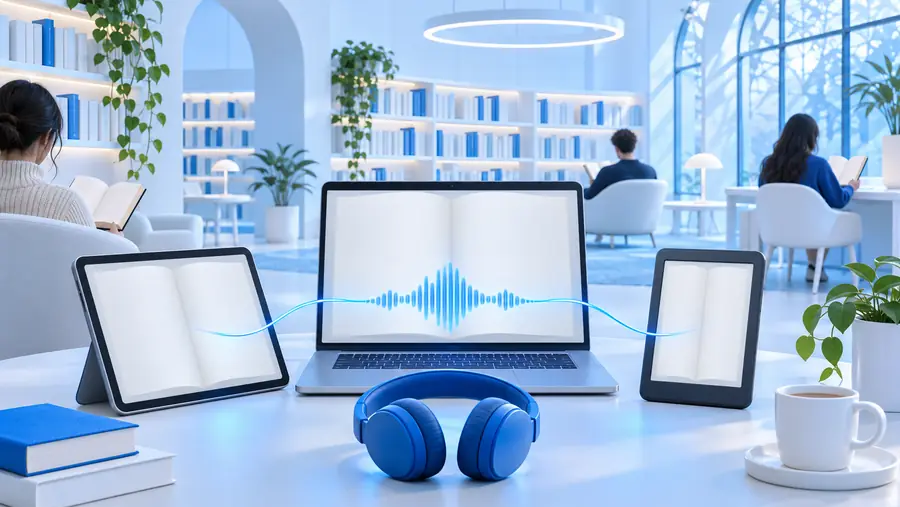
Read aloud books online workflow illustration

Related reading paths

Choose the route that matches your audience, source, or intended listening format.

Three concrete workflows

A useful session starts with a clear source, a defined purpose, and a small amount of preparation before listening.

  1. 1

    Choose the source

    Select a book or excerpt you are allowed to access and use. Check that the text is complete, legible, and divided into manageable sections before sending it onward.

  2. 2

    Prepare the reading

    Remove navigation clutter, repair obvious spacing problems, and decide whether the goal is quiet listening, study review, pronunciation practice, or shared reading.

  3. 3

    Listen and adjust

    Start with one section, follow the text as it is spoken, and adjust the reading pace or your stopping points to match the listener's attention and purpose.

Example output

The most useful result is not simply audio; it is a repeatable reading session with a source, purpose, and clear stopping point.

Book listening, study review, and shared reading can begin from the same prepared text.
3 workflows
Keep the selected book or excerpt identifiable so listeners can return to the same passage.
1 source text
Choose one purpose, such as comprehension, accessibility, pronunciation, or relaxed listening.
1 session goal

Compliance notes

Online book listening is convenient, but access to a book does not automatically grant permission to reproduce, distribute, or transform it.

Not every book is reusable

A book being visible online does not prove that its text, recording, or adaptation is in the public domain or licensed for your intended use.

Workaround

Prefer public-domain sources, permission-based material, or content with a clear reuse license.

Not every scan is clean

Image-based pages, unusual typography, footnotes, and damaged scans can produce awkward text or missed words when prepared for reading.

Workaround

Review a short sample first and correct important names, headings, and paragraph breaks.

Not every session replaces the book

Listening can support access and comprehension, but it may not preserve page layout, illustrations, annotations, or the complete reading experience.

Workaround

Keep the original source available for visual references, citations, and close study.

Not every voice fits every listener

A spoken rendering may still need changes in pace, pauses, or emphasis for children, language learners, or people with different attention needs.

Workaround

Use shorter sections, pause between ideas, and let the listener control when to continue.

Book listening versus ordinary screen reading

Both approaches can be useful. The better choice depends on whether the immediate need is eyes-free access, visual reference, or active analysis.

Read aloud session
Silent screen reading

Primary input

Read aloud session

Spoken rendering supported by the selected text

Silent screen reading

Visual words, page layout, and on-screen navigation

Useful when

Read aloud session

Eyes-free access, commuting, chores, or listening practice matter

Silent screen reading

You need to scan, compare passages, annotate, or inspect illustrations

Pacing

Read aloud session

Can follow a steady spoken rhythm with deliberate pauses

Silent screen reading

The reader controls every pause and can jump between sections

Accessibility

Read aloud session

May reduce reliance on continuous visual tracking

Silent screen reading

Can preserve visual structure and support text-based searching

Preparation

Read aloud session

Usually benefits from clean text and sensible section breaks

Silent screen reading

May work directly from the source if its layout is readable

Best for review

Read aloud session

Listening again can reinforce familiarity and pronunciation

Silent screen reading

Visual review is stronger for notes, quotations, and exact page references

Main caution

Read aloud session

Voice, wording, or pauses may not match the original publication

Silent screen reading

Long sessions can be tiring when sustained visual attention is difficult

Build a book listening routine

Start with one chapter, story, or short excerpt rather than preparing an entire library at once. Identify the source, set one listening goal, and test the first section before continuing. If you are working with children or learners, make the stopping points visible and leave time to discuss what was heard. For personal use, a consistent place to resume can make read aloud books online easier to use across study sessions, travel, or quiet household tasks.

Prepare a reading session
  • Use a source with clear access or reuse terms
  • Begin with a short section and review the result
  • Keep the original text available for reference

Scenario FAQ

Answers for common questions about choosing and using online books for spoken listening.

Look for reputable libraries, publishers, educational collections, and clearly licensed public-domain archives. Before using a title, check whether the source provides the full text and whether your intended listening or sharing use is permitted.

No. Online availability does not by itself grant permission to copy, convert, record, or redistribute a book. Use public-domain or licensed material, and keep the session private when the source terms do not allow wider sharing.

They can support listening practice, vocabulary, story comprehension, and shared routines when the material suits the child's age and attention span. Short sections, pauses, and conversation about the story often work better than an uninterrupted long session.

Clean text, clear section breaks, readable punctuation, and a pace that matches the listener all help. Start with a sample because scans, footnotes, unusual formatting, or pronunciation-sensitive names may need review before a longer session.

Neither is universally better. Listening can help when visual attention is limited or hands are busy, while screen reading is often stronger for scanning, annotation, page references, illustrations, and close comparison of passages.

Try text to speech
Try text to speech