Busy caregiver
You have a short story ready but only a few quiet minutes before nap time.
Prepare a consistent reading version, listen together, and stop when your toddler is done.
read aloud for preschoolStory time support
Read aloud for toddlers works best when the routine is short, warm, and easy to repeat. Prepare a simple passage, choose a comfortable pace, and let your child listen without pressure.

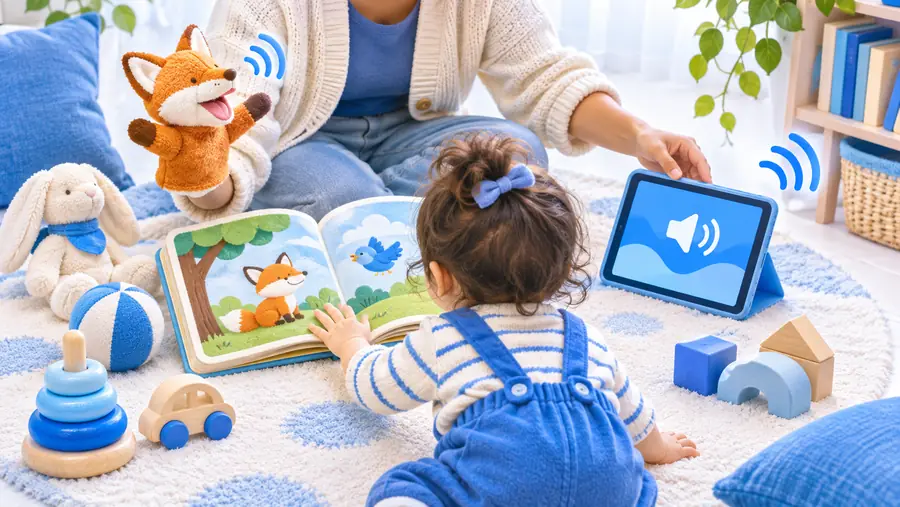
A toddler reading routine usually moves from choosing a short text to settling the room, listening together, and repeating favorite lines. Audio can support the listening part without replacing the adult connection.
The tool belongs between text selection and shared conversation: it gives you a repeatable audio version while the caregiver still chooses the story, sets the mood, and watches the child’s response.
You have a short story ready but only a few quiet minutes before nap time.
Prepare a consistent reading version, listen together, and stop when your toddler is done.
read aloud for preschoolYou want to build a familiar listening habit before asking a toddler to follow printed words.
Use spoken language, repetition, and pictures as the main bridge into later shared reading.
read aloud for kidsYou are unsure where to pause or how much expression is comfortable for a very young listener.
Compare a steady spoken version with your own voice, then keep the parts that feel natural.
read aloud for adultsA toddler and an older child share one story session but need different levels of involvement.
Let the toddler listen while the older child follows along, answers questions, or reads selected lines.
read aloud passages for high schoolYou want more structured practice for your own delivery before reading to a child.
Use adult practice passages to work on breath, pace, and clear phrasing before story time.
reading aloud practice passages for adultsKeep the process predictable. Toddlers often respond better to a familiar sequence than to a long explanation about how listening should work.
Pick a short story, rhyme, or page with a clear beginning and end. Familiar words and repeated phrases make it easier to pause and invite participation.
Reduce distractions, sit close, and introduce the story in one sentence. Start the audio or read yourself at a measured pace rather than performing loudly.
Pause for a sound, gesture, question, or smile. Repeat a favorite line if your toddler asks, and end the session before attention turns into frustration.
These are practical checkpoints, not performance targets. They help caregivers decide whether to continue, pause, or switch back to a familiar favorite.
A useful toddler session is simple enough to repeat and flexible enough for a caregiver to adjust. Compare a prepared listening version with an adult-led reading session.
Main purpose
Prepared audio
Provide a consistent listening model
Caregiver reading
Build shared attention and connection
Pacing
Prepared audio
Steady pace with planned pauses
Caregiver reading
Can change instantly with the child’s cues
Interaction
Prepared audio
Adult pauses to ask, point, or comfort
Caregiver reading
Adult can respond continuously
Repeatability
Prepared audio
Easy to replay the same passage
Caregiver reading
Depends on the reader’s time and energy
Expression
Prepared audio
Uses the selected voice and delivery
Caregiver reading
Caregiver controls emphasis in the moment
Best use
Prepared audio
Short listening windows and routine support
Caregiver reading
Shared story time and conversation
The change is not about making a toddler sit through more content. It is about turning an unplanned reading moment into a short, repeatable interaction with room for the child’s response.
 Before: improvised
After: prepared
Honest boundaries make the routine safer and more useful. A listening tool can support preparation, but it cannot read your toddler’s mood or replace responsive care.
Toddlers may wander, interrupt, or lose interest even when the story is well chosen.
Workaround
Use shorter passages, accept movement, and return to a favorite line later.
Recorded speech does not notice fear, tiredness, excitement, or a child’s need for comfort.
Workaround
Stay nearby and treat the audio as one part of shared story time.
Listening alone does not promise vocabulary growth, reading readiness, or a particular response.
Workaround
Talk about pictures, repeat meaningful words, and follow the child’s interests.
Long, dense, frightening, or poorly formatted text can make a toddler session harder.
Workaround
Choose age-appropriate material and preview it before pressing play.
Prepare one short passage, listen alongside your toddler, and use the child’s reactions to decide what happens next. A gentle routine is more valuable than a perfect performance.
Prepare a story sessionThese answers focus on the practical questions behind read aloud for toddlers: choosing material, managing attention, and keeping the experience responsive.
Choose a short, familiar story and sit close enough to share pictures and reactions. Use a calm pace, pause naturally, and let your toddler move or comment without treating stillness as a requirement.
There is no single correct duration because attention varies with age, mood, and the story. Begin with a small amount of text and stop when your toddler shows they are finished, even if the page is not.
Both can have a place. Audio can provide a repeatable model when you are preparing or taking a short break, while your own reading gives you the strongest opportunity to respond to your toddler in the moment.
Short stories, rhymes, repeated phrases, and texts with clear pictures are usually easier to share. Preview anything unfamiliar and avoid material that is too long, intense, or difficult for your child’s current interests.