Early literacy

Build better read aloud for kindergarten moments

Read aloud for kindergarten works best when the language is short, the pacing is calm, and children know what to listen for. Turn a story, direction, or phonics passage into a focused listening activity.

Review the output before class

Related guidance

The challenge of read aloud for kindergarten

Young learners need more than spoken words: they need a manageable pace, clear pronunciation, and moments to respond. These related guides help adapt the same approach for nearby audiences.

Classroom use

Three kindergarten reading workflows

Choose the workflow that matches the moment: prepare before class, support shared reading, or send a short practice task home.

The story-time teacher

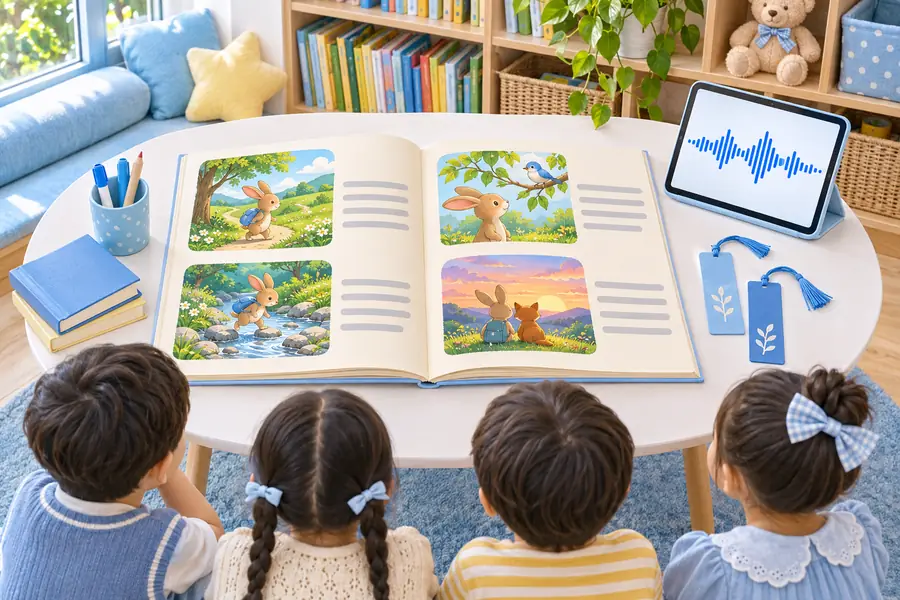
You have a picture book or short story and want children to notice repeated words, characters, and sequence.

Create a steady model, pause before predictable phrases, and ask one listening question at a time.

read aloud for kids
The literacy small group

A small group needs extra exposure to a decodable sentence, vocabulary list, or phonics passage.

Give learners a consistent audio model while you observe tracking, blending, and comprehension.

read aloud for preschool

The family connection

A child needs a short, repeatable listening activity that a caregiver can use after school.

Share a clear passage and a simple listening goal without turning practice into a long assignment.

read aloud for adults

The inclusion-focused teacher

A learner benefits from hearing classroom text while following along visually or taking a movement break.

Offer another route into the same lesson while keeping the teacher’s explanation and discussion central.

reading aloud practice passages for adults

The transition planner

You need spoken directions for arrival, cleanup, centers, or the next classroom activity.

Make repeated routines easier to follow by using brief sentences and a predictable order.

read aloud strategies for high school

The progression planner

You are moving from early primary practice toward more independent comprehension work.

Compare age-appropriate passage choices before introducing longer texts and more complex questions.

read aloud passages for high school

Simple process

Prepare, play, respond

A dependable kindergarten routine can be built in three short stages, with the teacher deciding what matters most before the audio reaches children.

  1. 1

    Prepare the text

    Choose a short passage and remove distractions such as duplicate headings, teacher-only notes, or instructions that children should not hear.

  2. 2

    Play with purpose

    Set one listening target, such as a repeated word, a character’s action, or the order of three events. Keep the first listen uninterrupted.

  3. 3

    Respond together

    Pause for a brief retell, gesture, picture choice, or turn-and-talk. Revisit one line when a child needs another model rather than replaying everything.

Example output

An example kindergarten read-aloud output

The strongest result is not simply louder text. It is a short, intelligible model that leaves room for children to look, listen, predict, and answer.

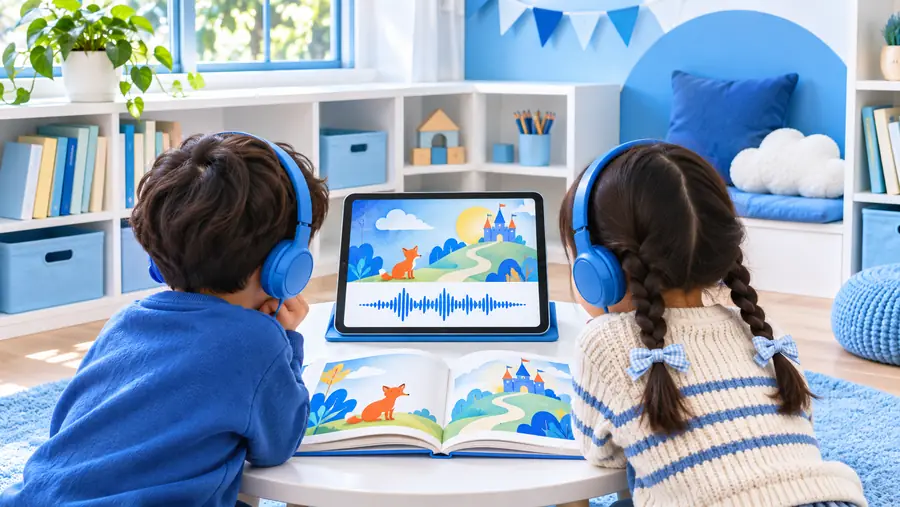
Kindergarten story text prepared for reading Before: raw classroom text
Short story example presented as a listening activity After: guided listening text
A teacher can adjust the source, pace, and discussion goal before sharing it with learners.

Classroom fit

Compliance notes for classroom use

Use read-aloud support as one part of instruction, not as an automatic replacement for teacher judgment. Check the source, the voice, and the setting before a lesson begins.

Teacher-led reading
Generated reading support

Purpose

Teacher-led reading

Models expression and responds immediately to children.

Generated reading support

Provides a repeatable audio model for selected text.

Context

Teacher-led reading

Can connect the story to classroom events and prior learning.

Generated reading support

Needs context supplied by the teacher before listening.

Pacing

Teacher-led reading

Can stop, rephrase, gesture, and change pace instantly.

Generated reading support

May offer a consistent pace but still needs review.

Pronunciation

Teacher-led reading

Teacher can clarify names, local words, and classroom vocabulary.

Generated reading support

Pronunciation should be checked before children hear unfamiliar terms.

Accessibility

Teacher-led reading

Can combine speech with facial cues, pointing, and sign support.

Generated reading support

Can add an audio route for learners who benefit from listening.

Privacy

Teacher-led reading

Teacher controls what is said in the room.

Generated reading support

Avoid placing private student information into the source text.

Assessment

Teacher-led reading

Teacher can notice responses, confusion, and participation.

Generated reading support

Audio alone cannot reliably show comprehension.

Home use

Teacher-led reading

Requires a caregiver or teacher to provide the reading.

Generated reading support

Can support a repeatable listening routine when the material is appropriate.

Planning signals

Four practical checkpoints

These checkpoints describe a usable kindergarten routine without turning a short listening activity into a complicated lesson plan.

Choose one thing children should notice or remember.
01 goal
Use a first listen for meaning and a second only when useful.
02 listens
Keep the activity in small chunks: hear, notice, respond.
03 parts
Review the wording and pronunciation before sharing it.
04 checks

Know the limits

Where audio support needs a teacher

A useful tool still has boundaries. Plan around these limitations so the listening activity remains safe, clear, and instructionally purposeful.

It cannot read the room

Audio cannot see who is confused, distracted, excited, or ready for a harder question.

Workaround

Stay present, watch responses, and pause for a quick check before continuing.

It cannot replace interaction

Listening to a story does not by itself create vocabulary practice, discussion, or comprehension.

Workaround

Add a picture prompt, retell, movement response, or partner question.

It may mispronounce names

Unusual names, invented words, local terms, and multilingual vocabulary may need correction.

Workaround

Preview the full passage and provide the intended pronunciation yourself when needed.

It should not receive private details

Student names, assessments, family information, and identifying classroom notes do not belong in a general reading prompt.

Workaround

Use fictional examples or remove identifying information before preparing audio.

Ready for class

Make the next listening routine easier

Prepare a short passage, define one listening goal, and review the result before children hear it. Read Aloud can help you create a repeatable starting point while your teaching supplies the context, care, and conversation.

Prepare a reading
  • Use short, familiar language
  • Review names and vocabulary
  • Keep discussion teacher-led

Common questions

Kindergarten read-aloud FAQ

Answers for teachers and caregivers planning short, purposeful listening activities for young learners.

Choose a short text with a clear purpose, such as noticing a repeated phrase or retelling three events. Give children one simple listening target, then follow the reading with a response they can say, show, draw, or act out.

There is no single ideal length because attention, familiarity, and lesson purpose vary. Start with a manageable section and stop when children can still explain what they heard; a short excerpt is often more useful than an entire long story.

A second listen can help when the first pass introduced the meaning and the next pass has a specific purpose. Ask children to listen for something new, rather than replaying the same audio without a question or activity.

No. Audio can provide a consistent model or another access route, but it cannot notice confusion, adapt instantly, or lead discussion. Teacher presence remains important for pronunciation, comprehension, and connection to the lesson.

Listen through the complete passage before sharing it. Check pronunciation, names, pacing, wording, and whether the text contains private information or instructions that should be delivered directly by the teacher.

Try text to speech
Try text to speech