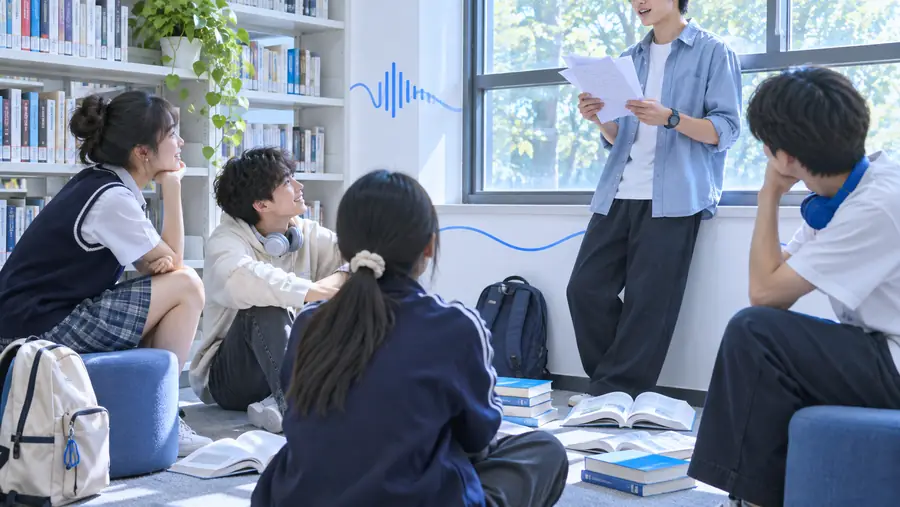

Plan better lessons with read aloud passages for high school

Read aloud passages for high school can turn a quiet reading assignment into a structured listening, fluency, and discussion routine. Use a passage, an intended outcome, and a clear handoff into classroom work.

Bring your own classroom context

Where we slot in

A strong high-school lesson already has a source text, a teaching purpose, and a follow-up task. Read Aloud fits between choosing the text and evaluating what students understood.

  1. 1

    Choose the teaching target

    Decide whether the session emphasizes fluency, difficult vocabulary, close reading, pronunciation, comprehension, or discussion. The target determines what the passage should make visible.

  2. 2

    Prepare the listening moment

    Select a manageable excerpt, mark natural pauses, and identify two or three places where students should listen for an idea, notice phrasing, or make a prediction.

  3. 3

    Hand off to active work

    Follow the reading with a short annotation, partner response, written reflection, or evidence-based discussion so listening becomes part of the lesson rather than the entire lesson.

Before and after

Unstructured passage use
Planned high-school passage routine

Starting point

Unstructured passage use

A long text is assigned without a stated listening purpose.

Planned high-school passage routine

The excerpt is selected around one explicit lesson goal.

Passage length

Unstructured passage use

The full reading is used even when attention or class time is limited.

Planned high-school passage routine

A focused section is chosen for the available lesson window.

Teacher preparation

Unstructured passage use

The reader improvises emphasis and pauses while reading.

Planned high-school passage routine

Vocabulary, stopping points, and discussion cues are marked in advance.

Student role

Unstructured passage use

Students mainly receive the text and listen passively.

Planned high-school passage routine

Students listen for evidence, patterns, questions, or changes in meaning.

Follow-up

Unstructured passage use

The activity ends when the final sentence is read.

Planned high-school passage routine

A response task connects the passage to analysis or discussion.

Assessment signal

Unstructured passage use

Understanding is inferred from general participation.

Planned high-school passage routine

A brief response shows what students heard and can explain.

Accessibility

Unstructured passage use

Students who need another route may lose the thread.

Planned high-school passage routine

The teacher can combine visible text, audio support, pauses, and replay.

Before and after

The difference is not simply reading a passage aloud. It is making the purpose, stopping points, and next action clear enough that students know what to listen for.

Unstructured high-school reading activity Before: text only
Planned high-school reading practice workflow After: guided practice
A passage becomes more useful when the listening task is visible before the first sentence.

Deliverable spec

A classroom-ready passage package should be compact enough to use, specific enough to guide attention, and flexible enough to support different student responses.

A named fluency, comprehension, vocabulary, or discussion outcome
1 target
At least one planned pause and one clear response handoff
2 moments
Text, listening support, and follow-up work kept in the same lesson flow
3 layers
Readability, pacing, vocabulary, and student participation reviewed before use
4 checks

Deliverable spec

A passage workflow supports planning, but it does not replace teacher judgment or knowledge of a particular class.

It cannot choose the perfect text automatically

A generated or selected passage may not match your curriculum, cultural context, reading level, or safeguarding requirements.

Workaround

Review the source, confirm its suitability, and replace any excerpt that does not fit your students.

It cannot measure comprehension by itself

Listening to a passage does not prove that every student understood the argument, vocabulary, or implied meaning.

Workaround

Add a short written response, discussion prompt, annotation task, or exit check.

It cannot replace differentiated support

One pacing choice will not suit every reader, language learner, or student who benefits from additional processing time.

Workaround

Offer the text in advance, vary pauses, preview vocabulary, and provide another route into the content.

It cannot guarantee classroom pacing

A passage that looks short on paper may take longer when students ask questions, revisit evidence, or discuss an interpretation.

Workaround

Plan a stopping point and keep a shorter excerpt available for the same objective.

Deliverable spec

Turn a passage into a teachable reading moment

Bring your objective, excerpt, and student context into a focused workflow. Read Aloud can help you shape the listening task, pauses, and follow-up before you bring the activity to class.

Plan a passage
  • Start with the lesson outcome
  • Keep the reading focused
  • Review the final activity before teaching

Scenario FAQ

Good passages are short enough to fit the lesson and rich enough to support a clear purpose. Consider narrative scenes, speeches, essays, poems, primary-source excerpts, or nonfiction sections with language and ideas students can discuss.

There is no single ideal length because pacing depends on text difficulty, pauses, and discussion. Choose an excerpt that leaves time for students to listen, revisit evidence, and complete a response rather than using every available minute on reading.

Give students a listening purpose before you begin, such as tracking a claim, noticing a repeated image, or recording an unfamiliar term. Pause at planned points for prediction, annotation, partner talk, or a quick evidence check.

Often, yes, because visible text can support vocabulary, phrasing, and access to evidence. It should not be the only support: some lessons may also benefit from a short preview, replay, adjustable pacing, or a response option that does not depend on rapid silent reading.

Use a small task tied directly to the stated objective. Students might explain a central idea, cite a phrase, revise a prediction, annotate a language choice, or discuss how the passage connects to the wider unit.

Try text to speech
Try text to speech