Busy learner
You have five minutes before class or a meeting and want to sound more prepared.
Use a short paragraph, mark two pauses, and repeat it once with a steadier pace.
how to read aloud on laptopGuided voice practice
Reading aloud practice online gives you a simple way to rehearse pacing, pronunciation, phrasing, and confidence. Follow the routine below, then hand your own passage to Read Aloud for another listening pass.
Start with your goal
A useful practice session needs a clear passage, a manageable target, and one way to notice what changed between attempts.
You have five minutes before class or a meeting and want to sound more prepared.
Use a short paragraph, mark two pauses, and repeat it once with a steadier pace.
how to read aloud on laptopYou understand the text but hesitate over pronunciation and sentence rhythm.
Choose familiar vocabulary first, listen for phrase boundaries, and revisit only the words that interrupt flow.
reading aloud practice passages for adultsYou are preparing to present a passage, quotation, or literary analysis aloud.
Rehearse the meaning before polishing emphasis so your delivery supports the argument rather than sounding memorized.
read aloud strategies for high schoolYour eyes are tired, or you want to compare your own interpretation with spoken audio.
Let Read Aloud model the passage, then read it yourself while tracking pauses and emphasis.
read aloud onlineRepeatable routine
Work through the same sequence each time. Consistency makes small improvements in timing and clarity easier to hear.
Choose 80 to 200 words with a clear purpose. A paragraph from a lesson, email, article, or story is enough; avoid beginning with dense technical text or unfamiliar names.
Read silently once. Underline the main idea, circle words that need emphasis, and add a light slash where a natural pause helps the listener follow the thought.
Stand or sit comfortably, keep the text at an easy viewing distance, and read at a pace that leaves room for punctuation. Do not restart for every small stumble.
Listen for three things only: rushed phrases, dropped word endings, and flat emphasis. Repeat the passage while correcting one or two of those issues, then stop.
Choose your feedback
Once the basic routine feels familiar, compare a guided listening pass with silent rereading and use the difference to choose your next exercise.
Main signal
Guided listening pass
You hear pace, pauses, pronunciation, and emphasis.
Silent rereading
You check meaning and visual comprehension.
Best for
Guided listening pass
Delivery, confidence, and noticing rushed phrases.
Silent rereading
Learning facts and checking whether the passage makes sense.
What to mark
Guided listening pass
Breath points, sentence stress, word endings, and changes in tone.
Silent rereading
Definitions, evidence, names, and unfamiliar concepts.
Typical risk
Guided listening pass
Copying a voice without understanding the passage.
Silent rereading
Feeling fluent because the eyes move faster than the voice would.
Useful next step
Guided listening pass
Repeat one paragraph with a deliberate change in pace or emphasis.
Silent rereading
Explain the paragraph aloud in your own words.
When to combine
Guided listening pass
After you understand the main idea and before a public reading.
Silent rereading
Before listening, recording, or presenting the passage.
Practice honestly
A polished result does not come from hiding every mistake. It comes from identifying the smallest change that makes the next reading clearer.
Long sentences, specialist vocabulary, or many unfamiliar names can turn practice into decoding instead of delivery.
Workaround
Shorten the passage, preview key terms, and build back toward the original text after one successful attempt.
Trying to sound fast or dramatic often removes useful pauses and makes word endings disappear.
Workaround
Read slightly slower than feels natural, then increase speed only if the meaning and punctuation remain clear.
Restarting after each error prevents you from practicing recovery, which is part of real communication.
Workaround
Place a small mark beside the stumble, finish the sentence, and review the marked spots after the complete pass.
Correct words can still sound difficult to follow when every phrase receives the same weight.
Workaround
Choose one key word per sentence to emphasize and let less important words become lighter.
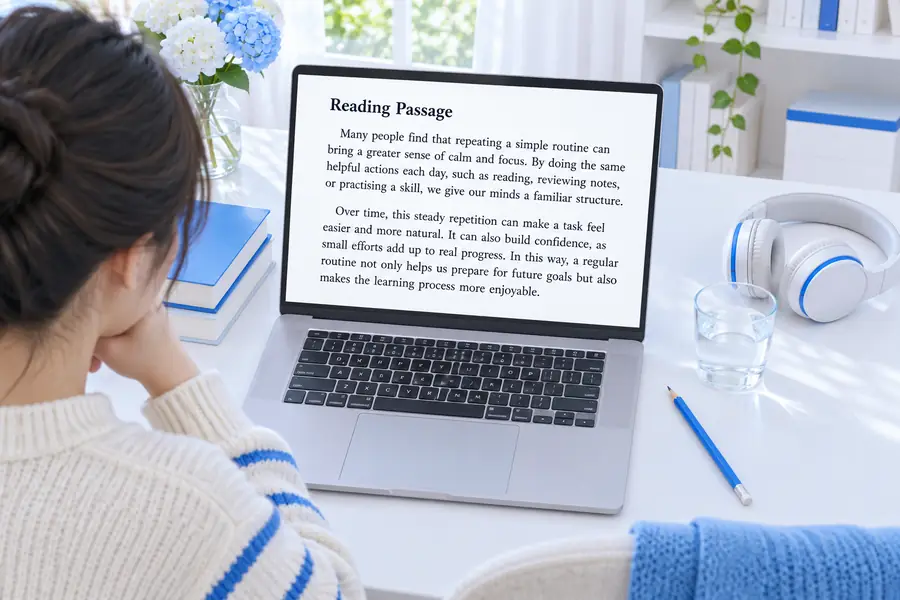 Before practice
 After one review
Bring a short text, choose one delivery goal, and use Read Aloud to hear the passage from another perspective. Then read it yourself, make one focused adjustment, and compare the result.
Practice a passageTutorial FAQ
These answers address the practical questions people ask when searching for a repeatable way to rehearse reading aloud online.
Choose a short passage, read it silently, mark pauses and emphasis, then record one calm attempt. Listen for one or two specific issues and repeat the passage with those changes instead of trying to fix everything at once.
Use a passage that is long enough to contain several sentences but familiar enough that decoding does not dominate the exercise. Articles, study notes, emails, short stories, and presentation excerpts can all work well.
A focused session can be short: one passage, one recording, and one repeat. Stop when you have made a clear adjustment, because repeated readings without a specific goal can make your delivery tense or mechanical.
Start by respecting punctuation and marking places where the idea naturally changes. If you rush, lower the speed slightly and finish each word; increase the pace only when the listener can still follow the meaning.
Understand the passage before you perform it, then emphasize the words that carry its meaning rather than giving every word equal weight. Vary pauses and sentence stress while keeping your voice comfortable and conversational.